Before you share their little world.
 3 min read
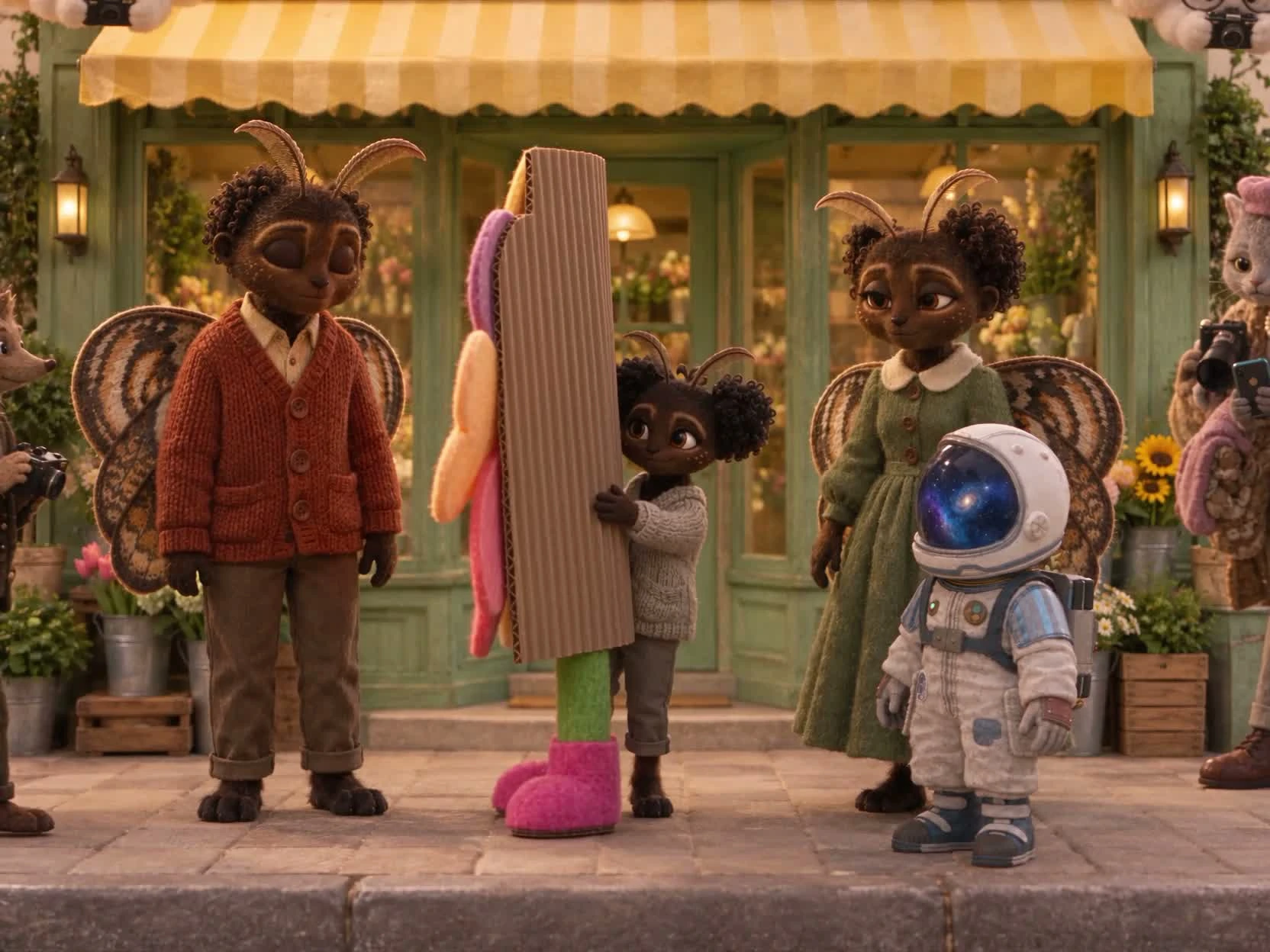
Of course you want them to see.
The grin with the missing tooth. The costume they assembled themselves. A grandparent lives far away, and this is the picture that will make their afternoon.
Wanting to share a child’s life often starts with love. You can keep that generosity and be a little more deliberate about what travels with the picture. The useful question is: who needs to see this, and what would they learn?
Choose the people before the platform.
If the picture is for four relatives, a direct message may suit it better than a public post. eSafety recommends using more direct sharing methods and checking privacy settings. It also warns that an image in a private chat can be copied and reposted elsewhere. [1]
Look at the actual audience, including followers you no longer know well. A private account limits who first receives the picture; it does not give you control over every later copy. The NSPCC also points out that some material, such as a profile photo, may remain public despite account settings. [3]
Give the child a real say.
When they can take part, ask about this picture and this audience. “Shall we send your tower picture to Grandma, or keep it here?” is something a young child can answer. Respect the answer without trying to negotiate it into a yes. eSafety recommends involving children in decisions about sharing their images. [1]
You still make the adult decisions about privacy. For a baby or a child who cannot meaningfully choose, our suggestion is to share less rather than treat silence as permission. You can always keep a photograph without publishing it.
Look around the edges.
Before posting a school photo, check for a school name, logo or sign in the frame. Check the caption and hashtags, too. These are the identifying details the NSPCC specifically recommends leaving out. [3]
Location can travel inside a file as well as appear in the picture. eSafety explains that photos can contain time, date and location metadata, and that some platforms hide or remove it. Check what your chosen service shares rather than assuming every upload behaves the same way. [1]
Our practical test: cover the face with your thumb, then look again. What does the rest of the image tell you?
Some moments can stay with you.
Some pictures belong in a family album, or nowhere beyond the moment. Our suggestion is to pause before sharing bathing, distress or a private family experience. Would the child welcome having this told for them?
You can share how parenting feels without showing every moment your child is living through. Not taking the photograph, or keeping it offline, is a perfectly reasonable choice.
Make room for the other families.
A lovely group picture includes more than your own decision. Ask the other parents or carers before photographing their children, and separately ask about posting the image. The NSPCC advises respecting a no; another family does not need to explain its reasons. [3]
For relatives, try a simple agreement: “We love sending these to you. Please keep them in this chat and ask before reposting or forwarding.” That is a request, not a technical safeguard. Make the boundary clear without making the recipient feel accused.
You can change your mind.
You can start with one old post that no longer feels right. Change its audience or remove it, and ask anyone who reposted it to take their copy down.
Deletion has limits: material may already have been copied, shared elsewhere or saved in an online archive. eSafety’s photo-sharing guidance explains why taking down the original cannot guarantee that every copy disappears. [2]
You do not have to turn your whole family archive into tonight’s project. Choose the next picture more carefully. Ask one clearer question. Enjoy a moment without posting it. The people who love your child can still be part of their world.
Before sending: who will see it, is the child comfortable, and what does the picture or caption reveal? Keeping it just for you is an option, too.
Sources & further reading
- Privacy and your child · eSafety Commissioner
- Photo and video sharing · eSafety Commissioner
- How to protect your child’s back-to-school photos · NSPCC
Created with AI-assisted research and writing, with editorial and source checks. Reviewed for publication by the Storytailor owner. The illustration is an imagined scene.